Why Plastic Manufacturers Are Trading Traditional Bank Loans for Flexible Financing

What changed
The landscape for securing capital for injection molding machinery is shifting rapidly. Regional banks, once the primary source of equipment loans, have largely hit their sector concentration caps, limiting their ability to lend to plastic manufacturers Tzortzis Capital. While traditional credit channels are tightening, the broader market for non-bank financing is growing, with lenders increasingly pivoting toward digital-first and usage-based products to meet demand Praxent.
How it works
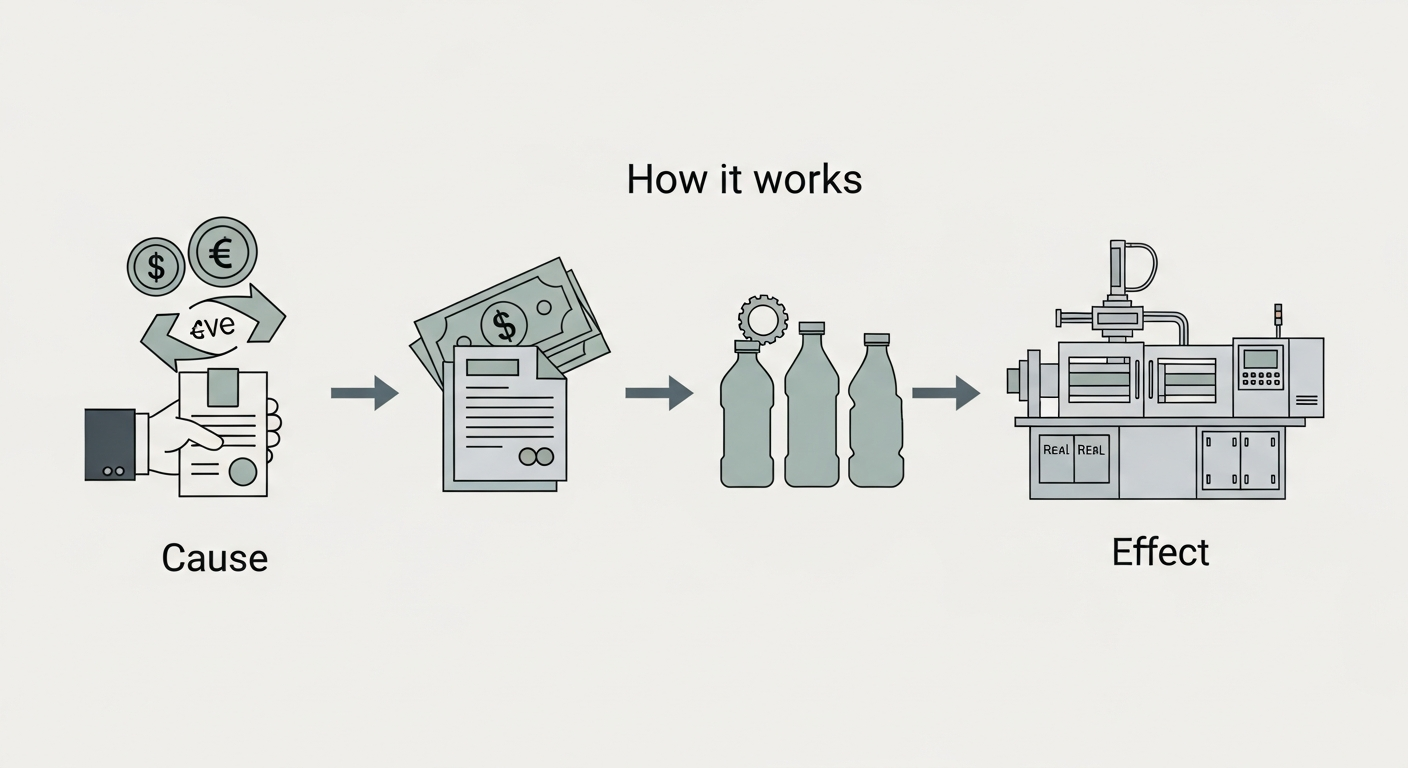
Non-bank financing structures, such as sale-leasebacks and direct equipment finance, are filling the void left by commercial banks. Both Tzortzis Capital and Praxent agree that the market is evolving away from rigid bank requirements toward more flexible, high-approval products. While traditional banks struggle with internal concentration limits, non-bank lenders are utilizing digital underwriting to maintain historic approval rates, which currently sit at approximately 78% Tzortzis Capital Praxent.
Who it hits
This shift primarily impacts mid-sized plastic manufacturing facilities looking to procure high-ticket items like CNC machines, robotics, and automation systems. Owners who previously relied on long-standing relationships with regional bank officers may find their applications delayed or declined due to internal institutional caps, regardless of the company's creditworthiness. Conversely, operators who adopt digital-first, non-bank structures are finding faster paths to capital.
Why this matters for plastic manufacturing owners
For an injection molding facility, these changes mean the difference between scaling production for a new contract or letting an opportunity pass by. When your primary bank reaches its concentration limit, you need a pivot strategy that doesn't sacrifice cash flow. Shifting to non-bank equipment financing allows you to preserve your working capital, as these products are specifically designed to cover the machinery cost while offering terms that align with your production cycle.
By leveraging flexible, usage-based financing rather than restrictive bank debt, you gain the agility to upgrade your molding floor with the latest automation technology. With industry-wide approval rates for these products hovering at 78%, qualified manufacturers can typically secure funding faster than traditional lending cycles allow, effectively turning equipment procurement into a competitive advantage rather than a balance sheet burden.
Bottom line
As traditional banks hit credit ceilings, non-bank financing has emerged as the primary, high-approval alternative for upgrading molding infrastructure. By diversifying your funding sources now, you protect your facility’s ability to scale regardless of regional banking conditions.
Check your eligibility for equipment financing here.
Disclosures
This content is for educational purposes only and is not financial advice. injectionmoldingfinancing.com may receive compensation from partner lenders, which may influence which products are featured. Rates, terms, and availability vary by lender and applicant qualifications.
What business owners say
4.9-
This company was lightning fast and the experience was amazing. Thank you, Dan — you're a real pro!
-
Good service Joseph Krajewski is the best agent ever. He provided excellent service. I strongly recommend working with him if you have the opportunity.
-
They gave me a chance when nobody else would. I'm very satisfied.
Frequently asked questions
Why are regional banks turning away manufacturing loan applicants?
According to Tzortzis Capital, many regional banks have reached their sector concentration caps, leaving them unable to take on additional manufacturing debt.
What alternatives exist for equipment financing?
Manufacturers are increasingly turning to specialty non-bank structures, such as sale-leasebacks and direct equipment finance agreements.
Is it still possible to get approved for equipment financing?
Yes. Praxent reports that credit approval rates for flexible and digital-first lending products remain at historic highs of 78%.
- Injection Molding Financing Services: 2026 Company Profile (16/09/2026)
- Contact Us – Your First Step to Fast Injection Molding Equipment Financing (16/09/2026)
- Mastering Injection Molding Equipment Financing (MCP): A 2026 Guide (08/09/2026)
- Understanding Rails Configuration: A Practical Guide for Injection Molding Equipment Financing Professionals (10/08/2026)
- PMS for Plastic Manufacturers: 2026 Guide to Choosing a Procurement Management System (10/08/2026)
- How to Fix 404 Errors on Your Injection Molding Financing Site – 2026 Guide (10/08/2026)
- How to Build a Real‑Time Equipment‑Financing Dashboard for Injection Molding Shops in 2026 (08/08/2026)
- Understanding Log Viewer Logs for Injection Molding Equipment Financing (2026 Guide) (08/08/2026)